With the 2027 French presidential election looming on the horizon, the political landscape is buzzing with speculation and mounting declarations of intent. Over 30 figures—ranging from seasoned politicians to civil society leaders and even Olympic champion Teddy Riner—have publicly declared their candidacy. Yet securing a spot on the ballot paper is far from guaranteed; it hinges on one critical hurdle: gathering 500 official endorsements from elected officials.
The growing tide of presidential ambitions
The race for the Élysée Palace is intensifying as more names join the expanding roster of hopefuls. The surge in candidates reflects a fragmented political environment, with aspirants emerging not only from long-established parties but also from smaller movements and non-traditional backgrounds. The latest high-profile addition to the field came in November 2026, when Teddy Riner, the celebrated Olympic judoka, announced his intention to run. His candidacy pitches a platform of national unity, positioning himself as neither left nor right—a move that has further diversified the competitive field.
As of now, more than 30 individuals have declared their presidential ambitions. While this number underscores the election’s appeal, it offers no guarantee that all will make it past the first major obstacle: the 500-signature threshold.
Why 500 endorsements are a make-or-break challenge
In France, simply declaring a candidacy is not enough to appear on the ballot. The law sets clear conditions, with the most formidable being the requirement to collect 500 endorsements—commonly referred to as parrainages—from elected officials authorized by the Constitution. These endorsers include mayors, members of parliament, regional and departmental councilors, and other designated local and national representatives.
However, securing 500 signatures is only part of the equation. The rules also mandate a geographic spread: endorsements must come from at least 30 different departments or overseas territories. Moreover, no single department or territory can contribute more than 10% of the total endorsements, effectively capping contributions from any one region at 50 signatures. This provision is designed to prevent candidates from relying on concentrated regional support networks and to ensure a minimum level of national representation.
It’s important to note that an endorsement does not equate to political backing. An elected official can sign a candidate’s petition without sharing their policy views or aligning with their platform; the signature merely fulfills a procedural requirement.
Legal and procedural roadblocks on the path to candidacy
Beyond the endorsement hurdle, presidential hopefuls must meet several legal criteria. Candidates must be French nationals, at least 18 years old, and possess full civil and political rights. They cannot be subject to legal incapacities or other disqualifying conditions and must have fulfilled national service obligations. Additionally, they must comply with electoral formalities stipulated by law.
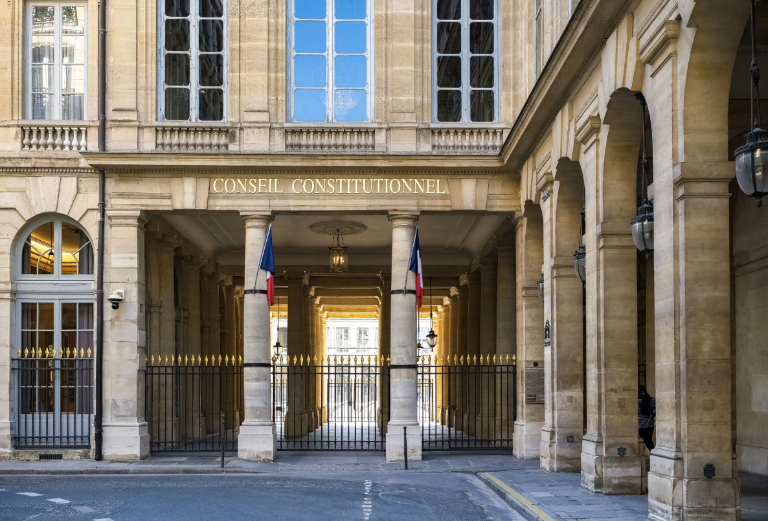
Once the 500 endorsements are secured, candidates must submit their dossier to the Constitutional Council. This body verifies the validity of the endorsements, confirms compliance with eligibility rules, and ensures that candidates have given their consent. Candidates are also required to file a statement of assets and a declaration of interests and activities. It is the Constitutional Council that ultimately publishes the official list of candidates permitted to participate in the election.
A tight deadline and the fight for legitimacy
The Constitution Council has set a hard deadline for receiving endorsements: March 12, 2027, at 6:00 PM. The official candidate list must be published no later than March 26, 2027. This compressed timeline leaves hopefuls with only a few months to persuade the right officials to sign their petitions—a daunting task for those lacking deep political or territorial roots.
The presidential campaign itself is strictly regulated. Spending caps apply, campaign finance must be meticulously documented, and all disclosures are scrutinized by the National Commission for Campaign Accounts and Political Financing (CNCCFP). These rules also extend to the transparency of donations, ensuring candidates operate within a framework of accountability and equity.
From declarations to reality: how many will actually make the ballot?
The flurry of candidacies does not guarantee a packed first round. Some aspirants may withdraw, while others may fail to secure the necessary endorsements. Teddy Riner’s campaign illustrates the stark gap between personal ambition and institutional validation. Like every hopeful, he must now embark on a rigorous outreach effort to rally the required support.
The first round of the presidential election is scheduled for April 18, 2027, followed by a potential runoff on May 2, 2027. Until then, the political arena will remain abuzz with announcements. Yet beneath the spectacle of declarations and media coverage lies an inescapable truth: in France, declaring a bid for the presidency is a far cry from earning a place on the ballot—and the hurdles are only getting higher.